Game artist
You need a prop that reads well at a glance but will eventually sit inside a game scene.
Check silhouette and material cues first; inspect geometry and engine requirements before treating it as a usable asset.
kaedim examples 20223D workflow guide
Looking for kaedim online? Start with a clear subject and a reference that shows its defining shapes. This guide covers how to prepare an idea, what to inspect in a 3D result, and where an online workflow may still need manual work.
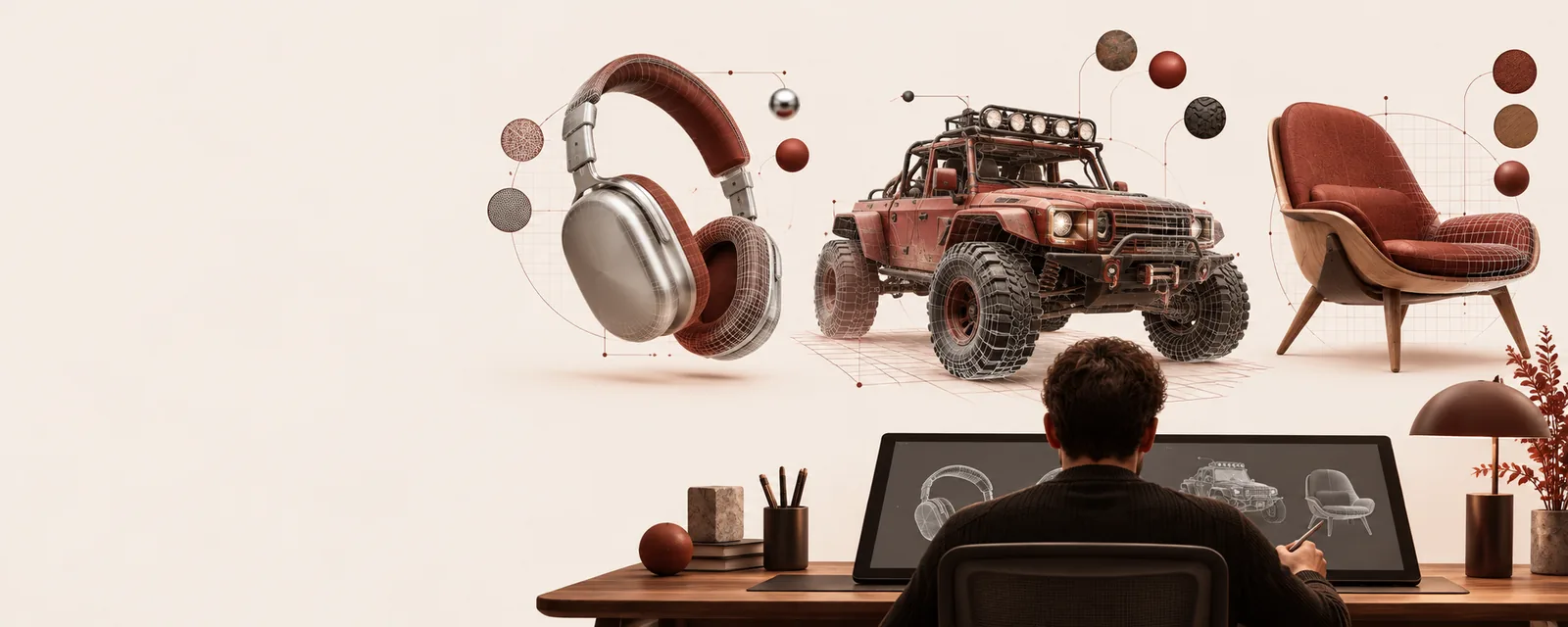
Set expectations
A browser entry point can simplify the start, but it does not replace an asset review. Check these edges before treating a concept as production-ready.
A single image leaves the back, underside, and hidden joins open to interpretation. That matters when a silhouette must match a design from every angle.
WorkaroundCollect front, side, and rear views where possible, and mark which details are essential.
An attractive preview does not establish whether topology, scale, or separated parts suit a game engine, animation rig, or fabrication process.
WorkaroundInspect the asset in your intended editor and check geometry against your project requirements.
Available controls, export formats, account requirements, and usage terms can change. The link from this page opens a separate service, not a Kaedim session.
WorkaroundConfirm current capabilities and terms at the destination before committing a project.
Practical sequence
Treat a Kaedim concept as a starting asset to evaluate, rather than assuming the first visible result is finished.
Start with an object whose outer shape reads immediately. Separate background decoration from the object itself so the intended form is easier to understand.
Describe proportions, materials, and distinctive parts in ordinary language. If a reference contains several objects, identify which one should become the model.
Compare the silhouette with your reference, then examine less visible surfaces and any geometry requirements in the application where the asset will be used.
Choose a focus
An online search can mean access, capability, or a first attempt at making an asset. These related guides separate those questions.
Visual example
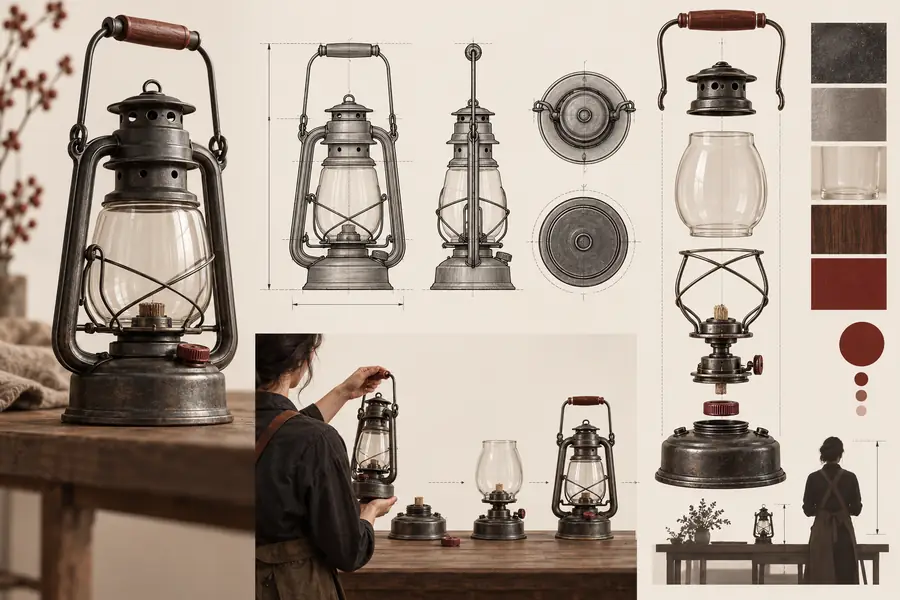
A reference-and-result pair helps make the review concrete: look first for the silhouette, then for the features that make the object recognizable.
These images illustrate a review method; they are not evidence of a verified Kaedim input and output.

Different starting points
The same 3D concept can succeed as a visual pitch and still need work for its final destination.
You need a prop that reads well at a glance but will eventually sit inside a game scene.
Check silhouette and material cues first; inspect geometry and engine requirements before treating it as a usable asset.
kaedim examples 2022You have a drawing with specific dimensions and need a form to discuss with collaborators.
Use the concept to test appearance, then verify measurements independently; a visual match is not a manufacturing specification.
what is kaedim 3d modelsYou want to try an online 3D workflow without assuming what access will include.
Check the destination's current access terms and available actions before preparing a larger batch of references.
kaedim 3d freeYou are comparing workflows for repeatable asset production across a team.
Test with the same reference and review criteria each time, rather than comparing polished examples from unrelated briefs.
kaedim alternative redditUse the separate service linked here to investigate a 3D creation workflow. Keep your reference and review criteria close: this page does not establish which prompts, uploads, formats, or account options the destination currently supports.
Explore 3D creationCommon questions
If you are looking for a browser-based starting point, check the current Kaedim site for its available workflow. Creating or viewing a concept online does not necessarily remove the need for a 3D editor when you must inspect geometry or prepare an asset for a specific pipeline.
Choose a clear reference for one subject and note the features that must survive translation into 3D. Additional views are useful when the back or sides matter. Keep project-specific requirements, such as scale or intended use, available for your review.
No. It opens a separate 3D service, so do not assume its controls or results match Kaedim. Check the destination's current capabilities and terms before using it for a project.
Not by itself. A preview can help you judge overall form and visual direction, but it cannot establish that hidden surfaces, topology, dimensions, or export settings meet your needs. Inspect the asset in the tools used by your project.
A flat image omits information about depth and hidden surfaces, leaving room for interpretation. Complex backgrounds and ambiguous outlines can make the intended subject harder to identify. Clearer views and explicit notes make the review more focused, though they do not guarantee a precise match.